
Grief Doesn't Need a Cheerleader. It Needs a Safe Place.
We all know that grief is messy.
It's also unpredictable, uncomfortable, and, most often, downright impossible to understand (especially for the person experiencing it).
Yet, when someone we care about is grieving, our first instinct is often to make it better. We search for the right words, offer advice, look for silver linings, or try to reassure them that everything will eventually be okay.
But here's the thing: Grief doesn't need to be fixed. And the person experiencing it doesn't need to be cheered up.
They need a safe place to land.
I've experienced my own share of grief. But I've also spent a lot of time on the other side of the table (or couch or patio), sitting with people as they navigate some of the most painful moments of their lives.
I've been the shoulder to cry on, the sounding board for the really hard stuff, and sometimes the person they can laugh with when something is funny for all of the wrong "I can't believe you said that out loud" reasons (my personal specialty).

And I consider that one of the greatest gifts anyone can give me.
When someone trusts you enough to let you see them at their most vulnerable?
That's a pretty big deal.
So today, I'm talking to the people on the other side of the table. The friends, partners, siblings, coworkers, and chosen family who want to show up for someone who's grieving but aren't always sure how.
There's an art to holding space for another person's grief.
And spoiler alert: It has absolutely nothing to do with having all the answers.
First, put down the pom-poms.
Here's the reality: When someone is grieving, your job isn't to make them feel better.
I know... it goes against just about every instinct we have as humans. We see someone we love hurting and immediately want to do something about it.
We offer perspective. Remind them of the good times. Assure them that time heals all wounds (sigh). Tell them their loved one is in a better place (double sigh).
And while those words may come from a genuinely loving place, they're not always (read: 95% of the time) what someone needs to hear.
Sometimes they just need to say, "This fucking sucks."
And they need you to say, "Yeah. It really, really, REALLY does."
No silver lining. No inspirational quote. No attempt to turn a devastating loss into some kind of personal growth opportunity.
Just acknowledgment.
Sometimes the most comforting thing you can offer someone is the space to feel exactly what they're feeling.
Let them show up however they show up.
The fact is that there's no right way to "do" grief.
It looks different on everyone.
We may not always understand someone's reactions, or why they're laughing one minute and crying the next. And that's okay.
Our job isn't to figure it out. It's to make room for whatever shows up.
If they want to tell the same story for the 47th time, settle in for round 48. If they'd rather gossip, watch terrible television, or laugh at something completely ridiculous, that's okay, too.
Sometimes, the greatest relief you can offer a grieving person is a few moments when they don't have to be a grieving person.
They can just be themselves.
Get comfortable being uncomfortable.
This might be the hardest part of holding space.
Grief can be incredibly uncomfortable to witness. Especially when it's raw, ugly, complicated, or completely outside our own experience.
There may be tears you can't stop. Questions you can't answer. Anger you don't know what to do with. Long stretches of silence that make you want to say literally anything just to fill the void.
Here's the secret.
You don't have to do anything with it.
Let the tears fall. Listen to the anger without trying to redirect it. Sit in silence without treating it like a problem that needs solving.
You can even say, "I have no idea what to say right now, but I'm here."
That's enough. In fact, I'd argue it's often more meaningful than a perfectly rehearsed condolence.
Holding space means being willing to sit in the discomfort without making the grieving person responsible for making you feel better.
The last thing someone carrying the weight of loss needs is to worry about how their grief is affecting everyone else in the room.
This isn't your grief Olympics.

And here's another temptation worth talking about.
When someone shares their grief, we often want to connect by sharing our own experiences.
"I know exactly how you feel. When my mom died..."
And suddenly, without meaning to, we've shifted the conversation.
Look, shared experiences can be incredibly powerful. Hearing that someone else has walked a similar road can make us feel less alone.
But there's a difference between connecting through your experience and making someone else's pain about you.
Even if you've experienced the same kind of loss, you haven't experienced their loss.
Their relationship was different. Their memories are different. Their regrets, relief, anger, guilt, and heartbreak belong to them.
Share your experiences when they're helpful, but resist the urge to compare or convince someone that you understand exactly what they're going through.
You don't have to understand everything to be there for someone.
You just have to care enough to listen.
Don't underestimate the power of showing up.
Here's where the art of holding space gets beautifully simple.
Sometimes it looks like a three-hour conversation over wine. Other times, it's saying, "I'm here if you want to talk. In the meantime, I'm going to tackle these dishes."
No pressure. No expectation that someone needs to open up just because you've made yourself available. You're simply there, doing something useful, keeping them company, and letting them decide what they need.
When my father-in-law died in a car accident, my mother-in-law, who had been in the car with him, was in the hospital. I went to be with her, didn't say a word, climbed into bed beside her, and we watched Forensic Files.
We didn't talk. We just watched TV together.
There was nothing I could say that would change what had happened. No words that could make it less devastating. It wasn't something she needed to relive.
So I didn't try.
I just stayed beside her.
That's what holding space looked like that day.
It doesn't always require a deep conversation or some profound moment of connection. It can be as ordinary as sitting on a couch, taking a walk, sending a ridiculous meme, or folding laundry.
And sometimes it means showing up six months later, when everyone else has gone back to their regularly scheduled lives.
The world moves on long before grief does.
The sympathy cards stop coming. The casseroles disappear. People stop asking how you're doing because they assume the answer should be getting better.
Meanwhile, the person who's grieving is still waking up every day in a world that looks completely different from the one they knew.

A simple "Thinking about you today" can mean the world. So can remembering an anniversary, mentioning the person who died by name, or extending an invitation without taking it personally if they decline.
And don't assume that because someone looks okay, they are okay.
Grief is sneaky like that.
You can be a safe place without carrying it all.
Now, before anyone starts applying for the position of Full-Time Emotional Support Human, let's talk about boundaries.
This is something I've had to learn the hard way.
Holding space doesn't mean you have to be available 24/7. It doesn't mean absorbing someone else's pain until you're completely depleted. And it definitely doesn't mean taking responsibility for their healing.
You can love someone deeply and still recognize your own limits.
Sometimes that means recognizing when you need to recharge, finding ways to offer support that work for both of you, or simply understanding that you can't be everything to someone, no matter how much you love them.
You can encourage professional support when someone needs more than you're equipped to offer. You can also acknowledge that witnessing someone else's grief affects you, too.
Being a safe place doesn't require sacrificing yourself. It requires being honest, compassionate, and consistent in the ways you can show up.
This isn't about being someone's savior.

It's about being their person.
The greatest gift is trust.
Of all the things I've experienced sitting on the other side of the table, this is what stays with me.
When someone lets you into their grief, they're showing you a part of themselves that the rest of the world may never see.
The messy part. The angry part. The irrational, exhausted, terrified, sometimes completely unfiltered part.
They're trusting you not to judge them, rush them, or turn their pain into a lesson or a story about yourself.
Most importantly, they're trusting you to let them fall apart without making them feel like they need to put themselves back together for your benefit.
That's an extraordinary gift.
And I think the best way to honor it is to stop worrying so much about saying the right thing.
You don't need a script. You don't need a solution. You certainly don't need a motivational speech.
Just meet them where they are, even when that place is dark, confusing, uncomfortable, or nothing like you expected.
Your job isn't to change how someone feels. It's to make sure they don't have to hide how they feel when they're with you.
That's the art of holding space.
And if someone trusts you enough to let you do that for them?
Well, that's a hell of a privilege.
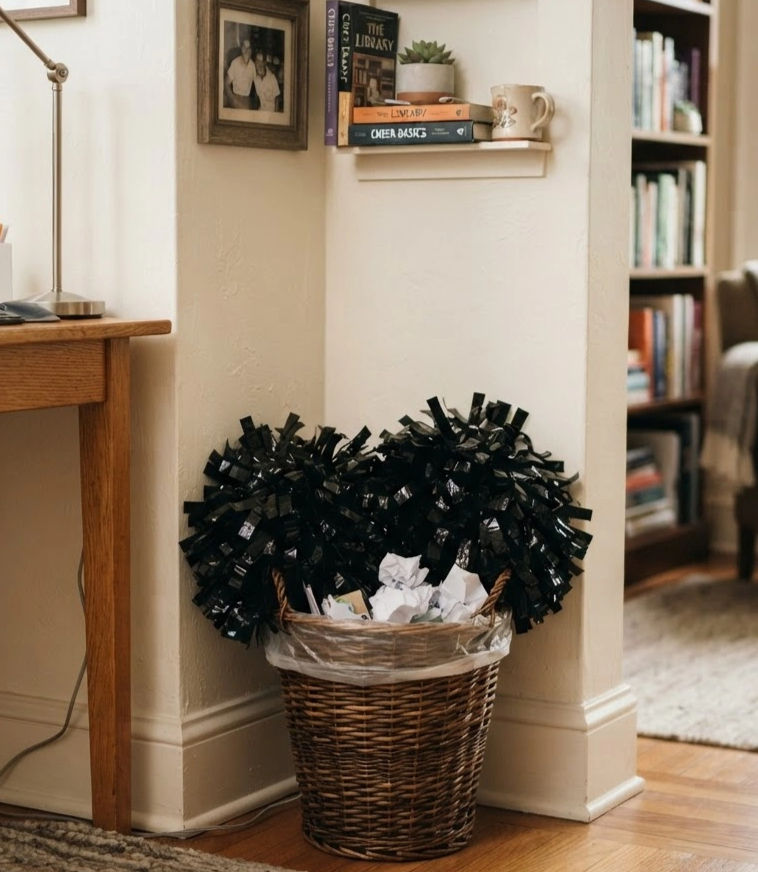
No pom-poms required.



Comments